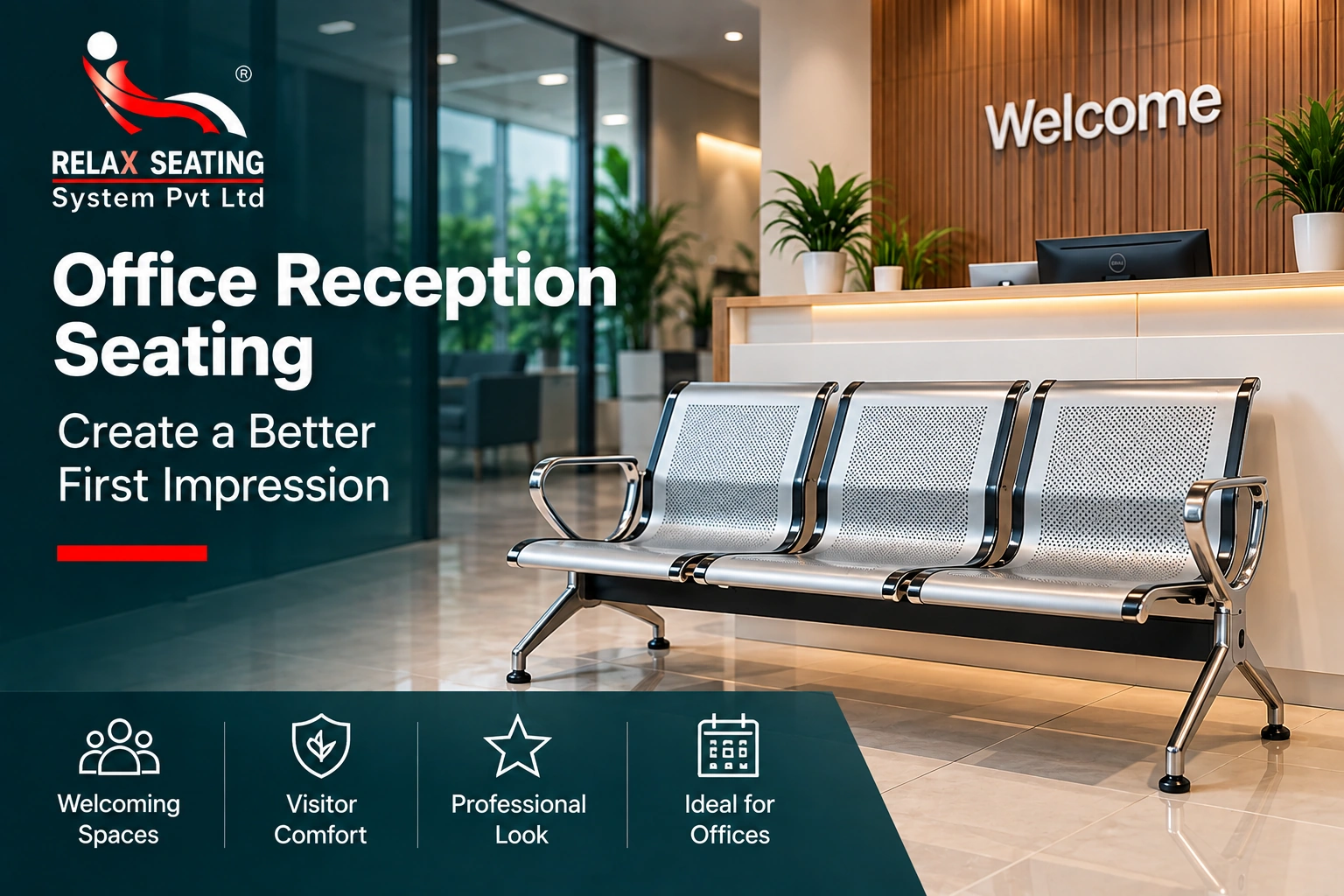
Office Reception Seating: Creating a Better First Impression
A reception area is often the first physical space a visitor sees when entering a business. Clients, candidates, suppliers, contractors, and guests may spend anywhere from a few minutes to considerably longer waiting for an appointment.
That makes reception seating an important part of workplace planning.
Good reception furniture needs to balance appearance, comfort, available space, durability, and maintenance.
Understand Your Visitor Traffic
Start by considering how many people normally use the reception area.
A small professional office may only need a few visitor chairs, while a medical facility, corporate headquarters, showroom, or service business may experience a steady flow of visitors throughout the day.
Think about both the average number of visitors and occasional busy periods.
Measure the Available Space
Reception areas often have limited floor space.
Before purchasing furniture, measure the area carefully and consider doors, reception desks, walkways, lifts, corridors, and other obstacles.
Chairs should provide adequate seating without making the area difficult to navigate.
An overcrowded reception area can feel uncomfortable even if it technically provides plenty of seats.
Comfort Still Matters
Reception seating isn’t simply decorative.
Visitors may sit for several minutes or, depending on the business, considerably longer.
The chair should therefore provide an appropriate level of comfort for its intended use.
Consider seat dimensions, back support, cushioning, and overall stability when comparing options.
Choose Practical Materials
Reception furniture can experience frequent use.
Depending on the business, chairs may need to withstand regular cleaning and repeated visitor traffic.
Materials that are practical to maintain can be particularly useful in busy environments.
The right material will depend on the location, cleaning requirements, design preferences, and expected level of use.
Match the Company’s Environment
Furniture can contribute to the overall character of a reception area.
A corporate office may favor a clean and contemporary appearance, while a hospitality or creative environment may choose something more expressive.
The important point is to create consistency.
Reception chairs should work with the desk, flooring, lighting, wall colors, and other furniture rather than appearing disconnected from the rest of the room.
Consider the Brand
A reception area can communicate something about a company before the visitor has spoken with anyone.
Furniture doesn’t need to be extravagant to create a professional impression.
Clean lines, coordinated colors, appropriate proportions, and well-maintained seating can create an organized environment.
Think About Cleaning
Reception furniture is used by many different people.
For that reason, ease of maintenance should be considered before making a purchase.
A beautiful chair that is difficult to clean may become impractical in a high-traffic environment.
Ask about suitable cleaning methods and maintenance requirements before choosing upholstery or finishes.
Don’t Forget Accessibility
Reception layouts should provide comfortable access for everyone.
There should be adequate circulation space, and the furniture arrangement shouldn’t unnecessarily obstruct entrances or pathways.
Businesses should consider accessibility requirements applicable to their specific premises when planning reception areas.
Plan for Future Needs
Visitor traffic can change as businesses grow.
If the company expects expansion, consider whether the reception layout can accommodate additional seating later.
A coordinated product range can make it easier to add matching furniture rather than replacing the entire reception area.
Final Thoughts
Reception seating has to do several jobs at once. It needs to look appropriate, fit the available space, remain comfortable for visitors, and withstand everyday use.
Start by understanding visitor traffic, measuring the area, choosing practical materials, and selecting a design that complements the company’s environment.
The result should be a reception area that feels organized and welcoming without becoming overcrowded.